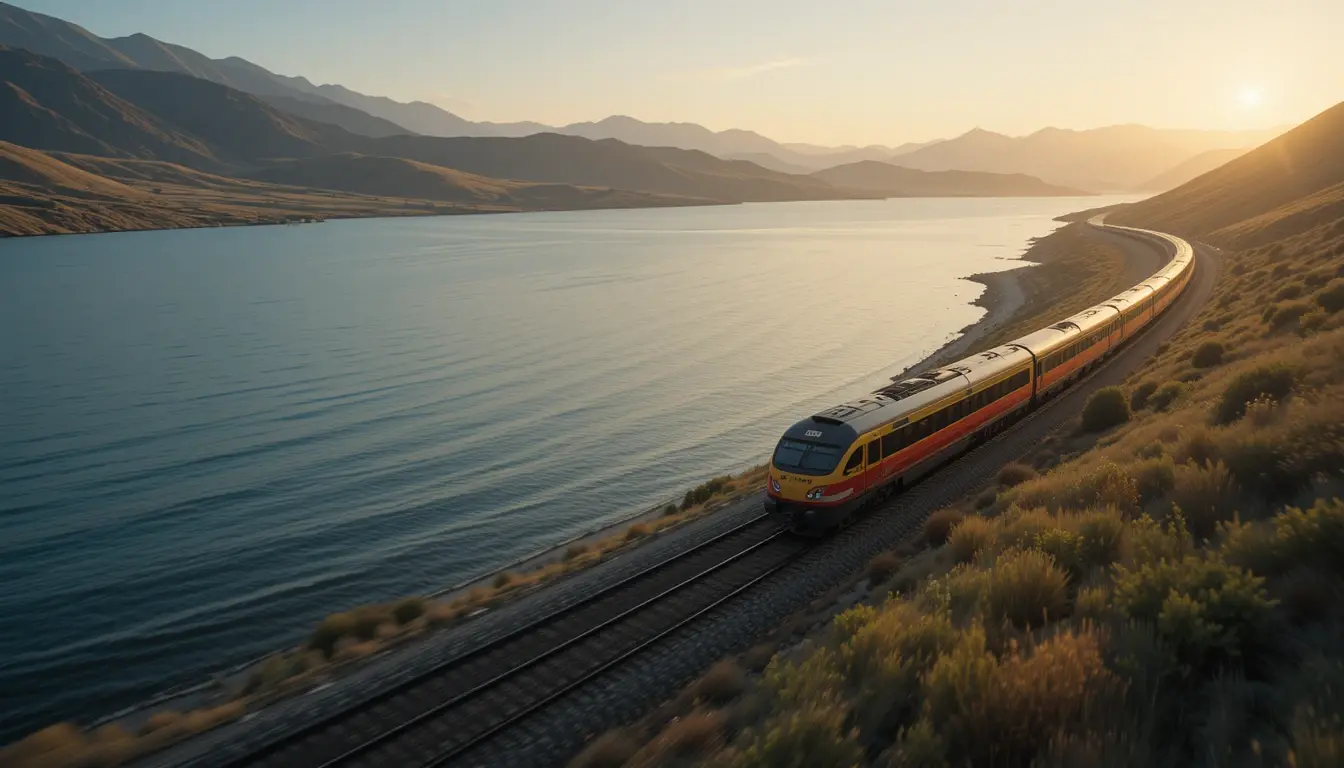
Union Pacific announced it’s ready to shell out $85 billion to scoop up Norfolk Southern, aiming to create the first transcontinental railroad in the U.S. This deal, revealed on Tuesday, July 29, 2025, would stitch together Union Pacific’s western tracks with Norfolk Southern’s eastern lines, covering 43 states and 50,000 miles. It’s a coast-to-coast dream Abraham Lincoln might’ve sketched on a napkin 165 years ago.
The pitch is simple: fewer handoffs, faster freight. Union Pacific’s CEO Jim Vena claims lumber from the Pacific Northwest, plastics from the Gulf Coast, and steel from Pittsburgh will zip across the country without the usual pit stops in Chicago’s rail traffic jam. Norfolk Southern’s CEO Mark George swears they’ll spend two years planning to avoid the derailments and delays of past mergers.
But not everyone’s waving a flag for this train parade. Chemical plants in the Gulf are sweating over a potential monopoly jacking up rates. Meanwhile, big shots like Amazon and UPS might cheer if their packages arrive before the delivery guy’s coffee break.
The Surface Transportation Board (STB) gets to play conductor on this one, and it’s no easy gig. The board’s split down the middle—two Republicans, two Democrats, with a fifth member to be named by President Trump. Past mergers, like Union Pacific’s 1996 Southern Pacific fiasco or the 1999 Conrail split, left tracks clogged worse than a rush-hour subway.
Union Pacific is dangling $20 billion in cash and one share of its stock for each Norfolk Southern share, valuing them at $320 a pop. That’s a juicy 25% premium over Norfolk’s price before the merger buzz started. Still, Wall Street’s not exactly throwing confetti—Union Pacific’s stock dipped 2% to $224.98, and Norfolk Southern’s slid 3% to $277.40 in premarket trading.
If this deal pulls into the station by early 2027, it could spark a rail merger frenzy. BNSF and CSX might feel the heat to team up, lest they get left at the platform. Canadian National and CPKC, with tracks stretching from Canada to Mexico, could also jump on the merger train.
Railroads aren’t what they used to be—back in the 1980s, over 30 major freight lines chugged along; now, just six handle most of the nation’s cargo. Union Pacific and Norfolk Southern say their combo will save $1 billion a year and boost revenue by $1.75 billion, snagging business from trucks and rival rails. Vena insists every union worker keeps their job, but history suggests some might still get a one-way ticket to the unemployment office.
Norfolk Southern’s had a rough ride lately, with a $768 million second-quarter profit dragged down by costs from its 2023 East Palestine derailment. That’s up from $737 million last year, but still missed analyst expectations by a hair. Union Pacific, meanwhile, reported a solid $1.8 billion profit, beating Wall Street’s guesses.
The public gets a say before the STB rules, and expect plenty of noise from unions, shippers, and towns along the tracks. Some worry about higher rates and service hiccups, while others see dollar signs if goods move faster. It’s a high-stakes gamble—streamlined shipping versus the risk of a rail giant throwing its weight around.
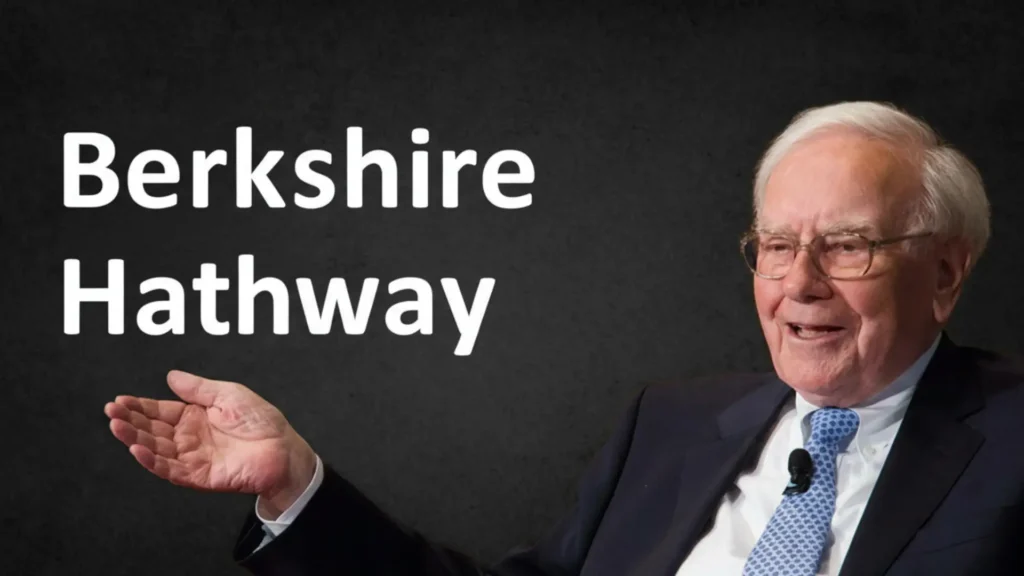
Warren Buffett’s BNSF, sitting on a $348 billion cash pile, could counter with a bid for CSX, though Buffett recently pooh-poohed rumors of a deal. He’s not one for investment bankers, having sealed BNSF’s $26.3 billion buyout over a casual CEO chat years ago. Still, the old dealmaker might not resist one last big swing before stepping down.
This merger harks back to 1869, when a golden spike linked East and West at Promontory Summit, Utah. No single company controlled that route—until now, maybe. If approved, Union Pacific Transcontinental could redefine how everything from tomatoes to car parts crosses the country.
The STB’s got a tough call ahead, with memories of past rail disasters looming large. The 1996 Union Pacific-Southern Pacific merger turned into a logistical nightmare, and the 1999 Conrail split wasn’t much better. The Canadian Pacific-Kansas City Southern deal in 2023 got a pass partly because it involved smaller players, but this one’s a different beast.


Leave a Reply